🎉 UPDATE: This story has a happy ending; I am pregnant with Baby #2! Keep reading for everything I learned along the way.
Secondary infertility is one of those things nobody warns you about. You already have a child. People assume the hard part is over. But trying to conceive again — especially when it isn’t happening — is its own kind of heartbreak.
I’m sharing this post because I know someone reading this is in the thick of it right now. So let me tell you where I am, what I’m doing, and what I’m changing — ovulation tracking, Femara dosage, and all.
Quick Snapshot: Where I Am in My Journey
| Diagnosis | Secondary Infertility |
| Treatment | Femara (Letrozole) — 2nd round, 5mg |
| Ovulation Tool | Switching back to Clearblue Digital (from Wondfo) |
| Outcome | ✅ Pregnant with Baby #2! |
What Is Secondary Infertility? (And Why It Still Hurts)
Secondary infertility is the inability to conceive — or carry a pregnancy to term — after previously giving birth. It is more common than most people realize, yet it rarely gets talked about.
People mean well. They say things like, “At least you already have one.” While that is true and something I never take for granted, the grief of secondary infertility is still real. It is still valid. It still deserves space.
My RE (Reproductive Endocrinologist) confirmed I was ovulating. My progesterone levels backed that up, and a follow-up sonogram showed I had released an egg from my right ovary. But the timing? That was the problem. And in fertility, timing is everything.
My Second Round of Femara: What Changed This Time
What Is Femara (Letrozole)?
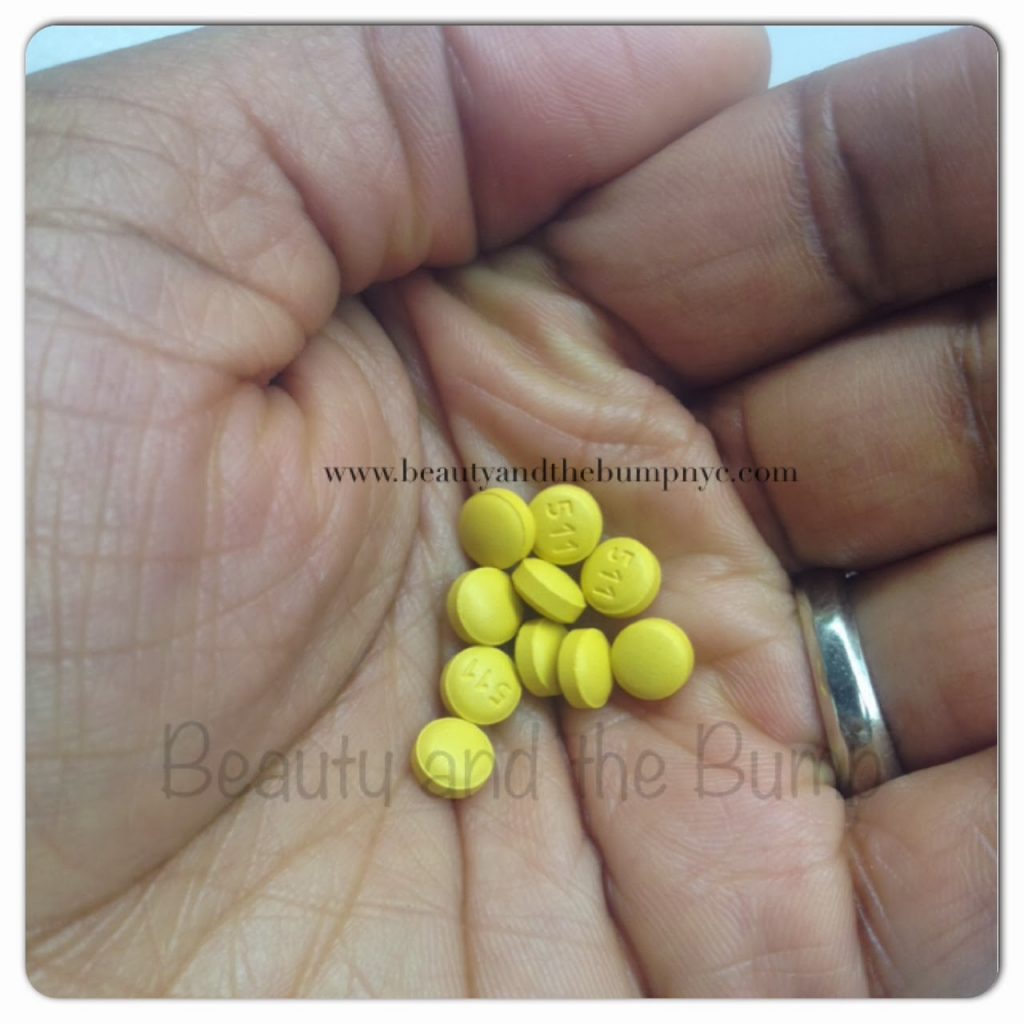
Femara — known generically as Letrozole — is an oral medication originally developed to treat breast cancer. Fertility doctors prescribe it off-label to stimulate ovulation. Many women, including me, use it when their cycles need support.
My RE prescribed Femara once daily in the evenings for five days. After my most recent CD4 appointment, she increased my dosage to 5mg. I returned on CD11 to count follicles and see how my body responded to the higher dose.
Round One vs. Round Two
The first round did not result in pregnancy. Looking back, I believe the timing was off — not that I failed to ovulate. My body did its part. We just missed the window.
Round two felt more intentional. My RE increased my dosage, and I committed to more precise ovulation tracking. That decision made a real difference.
💊 Femara Note: Always follow your RE’s specific protocol. Dosages vary based on your cycle, follicle response, and individual diagnosis. What worked for me may not be right for your situation.
Ovulation Tracking: Why I Switched Back to the Clearblue Digital Ovulation Test
The Problem with Wondfo LH Strips (For Me)
Let me be honest: I bought the Wondfo strips to save money. They are much cheaper than the Clearblue Digital. But after two cycles of confusing results, the savings were not worth the guesswork.
My Wondfo strip showed an LH surge on CD11. But my basal body temperature chart suggested I ovulated on CD14. Meanwhile, my CD10 sonogram showed a follicle nearly ready to release — my RE said it could happen “any day now.” Three different data points. Three different answers. That is a three-day window, which in fertility terms is a huge deal.
Why the Clearblue Digital Ovulation Test Works Better for Me
The Clearblue Digital detects the LH surge 24–36 hours before ovulation and identifies your two most fertile days. No line-reading. No squinting. A clear digital symbol tells you exactly where you are.
When I was trying to conceive my first daughter, my RE recommended the Clearblue Digital. It worked. I got pregnant. Since I typically surge between CD11 and CD12 and ovulate around CD13 or CD14, I’m starting to test on CD9 and continuing until I see a positive result.
📊 Clearblue vs. Wondfo: Clearblue Digital uses a clear smiley-face readout — no line interpretation required. Wondfo strips require comparing line darkness, which can be ambiguous and stressful under fertility pressure. My RE recommends Clearblue. I’m listening this time.
✨ The Beauty in the Bump
There is nothing glamorous about fertility treatments. The appointments, the monitoring, the emotional highs and crashing lows; it is exhausting. But there is something quietly beautiful about the commitment itself.
I was not giving up. Even when I wanted to. Even when I told my husband, “If this doesn’t work, I think I need to stop for now.” The bump in this journey was not just physical — it was the weight of hope I was carrying every single month.
Secondary infertility taught me that showing up for yourself, even when it is hard, and the odds feel uncertain, that is its own kind of beautiful. This bump became one of the most defining chapters of my story. And it led me to my daughter.
The Emotional Reality Nobody Talks About
I told my husband I was thinking about stopping. He told me not to have a defeatist attitude. Easier said than done — and I appreciate that he said it, even when I didn’t want to hear it.
Secondary infertility can feel isolating. You may not feel “allowed” to grieve because you already have a child you love deeply. But your longing for another child is not a betrayal of gratitude. It is simply human.
If you are in this season, I see you. I was right there with you.
Understanding Cycle Days (CD): A Quick Guide
Throughout my fertility posts, I reference cycle days (CD). Here is a simple breakdown for anyone new to tracking.
- CD1 = the first day of your period. This is your starting point.
- CD11–CD14 = the typical window for LH surge and ovulation for many women, though this varies.
- Progesterone testing happens several days after ovulation to confirm it occurred.
- A sonogram can visually confirm whether a follicle has released an egg.
Check out these other posts:
Frequently Asked Questions